
4208 Lind Ave, SW Renton, WA

Osteochondritis Dissecans (OCD) Treatment for Dogs

Osteochondritis Dissecans (OCD) is a joint problem that often affects young, growing dogs. If it is not treated, OCD can lead to joint pain, limping, swelling, and lasting damage to the joint.
 
At Boreal Animal Surgery, we offer thorough orthopedic exams and surgical care for dogs with OCD. We aim to ease pain, improve joint mobility, and help your dog stay active with treatment plans tailored to them.
 
When we treat OCD early, many dogs can get back to being comfortable and active. Early care also helps keep their joints healthier in the long run.
OCD Surgery What is it

What Is Osteochondritis Dissecans (OCD)?

Osteochondritis Dissecans (OCD) is a developmental orthopedic condition that occurs when cartilage within a joint does not form properly during a dog’s growth. As a result, an area of abnormal cartilage can separate from the underlying bone, leading to joint inflammation, pain, and irritation.
 
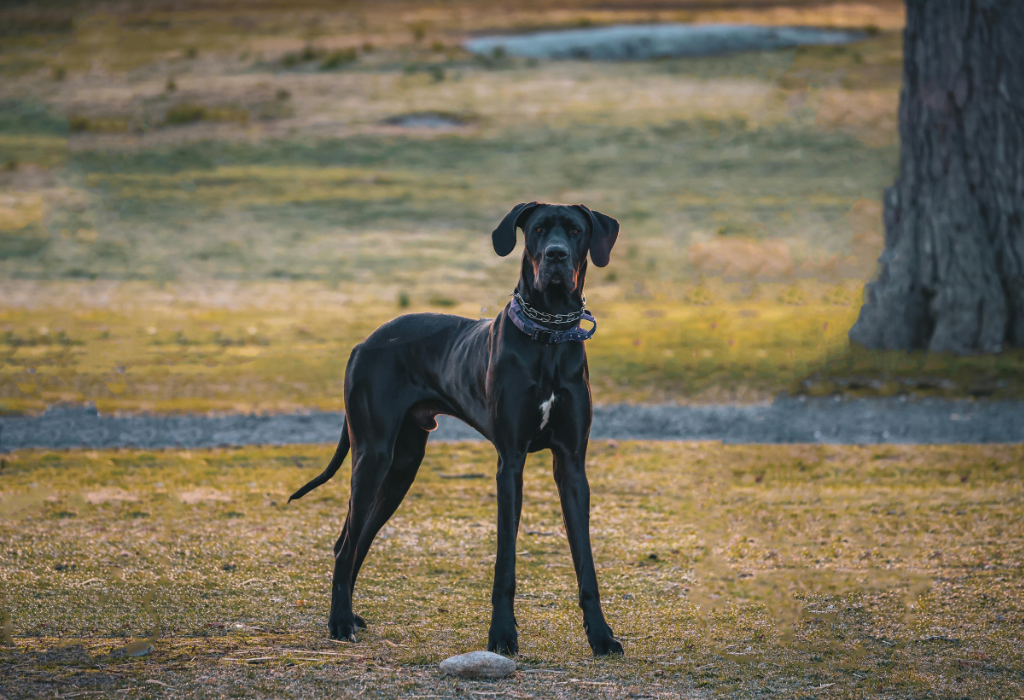
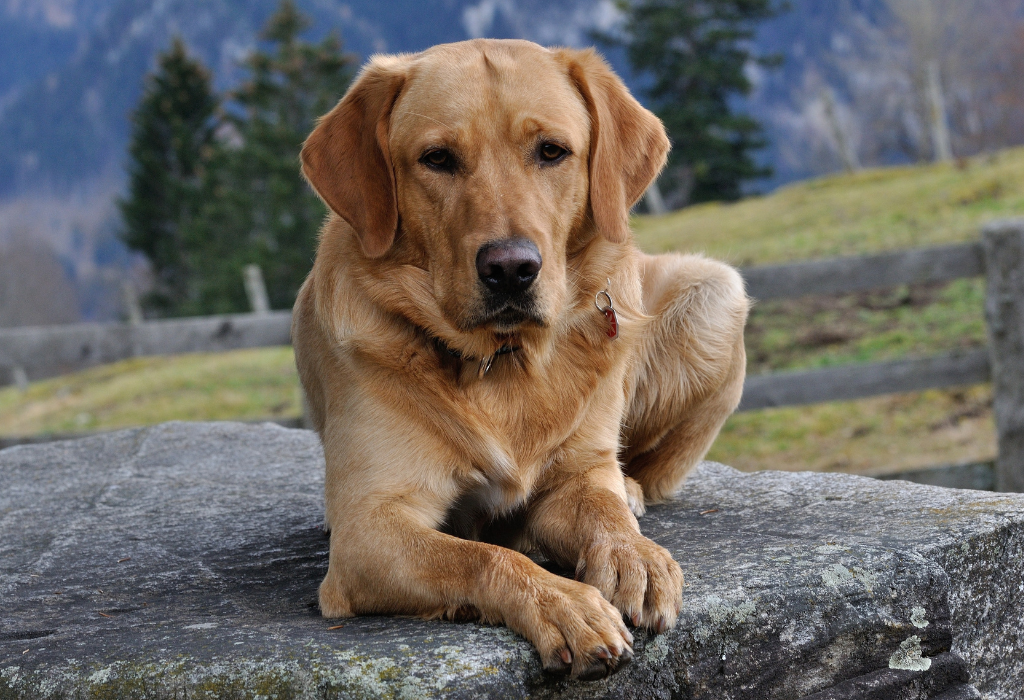
OCD usually affects young, fast-growing large or giant dog breeds, such as Labrador Retrievers, Golden Retrievers, Great Danes, German Shepherds, and Bernese Mountain Dogs.
 
OCD can affect different joints, but it is most often found in shoulders, elbows, stifles (knees), and hocks (ankles).

Many dogs with OCD start to limp, feel stiff, or seem uncomfortable, especially after exercise or as the problem gets worse. If OCD is not treated, it can lead to lasting joint pain and arthritis.
 
Surgery is often recommended to remove the damaged cartilage, reduce joint irritation, and help the joint move more comfortably again.
IMG_1670

Why Choose Boreal Animal Surgery

Compassionate Surgical Care Backed by Experience

Board-Certified Surgical Expertise

Osteochondritis Dissecans can have a significant impact on a young dog's comfort, mobility, and long-term joint health. Dr. Duane Robinson is a board-certified veterinary surgeon with extensive experience diagnosing and treating orthopedic conditions, including developmental joint diseases such as OCD.

Advanced Surgical Techniques

Successful treatment of OCD requires careful evaluation of the affected joint and the extent of cartilage damage. We utilize modern surgical techniques designed to remove damaged cartilage, reduce joint irritation, and support healthier joint function and mobility.

Personalized Treatment Planning

Every patient is unique. We consider your dog's age, breed, activity level, affected joint, and overall orthopedic health when developing a treatment plan. Our goal is to provide the most appropriate treatment while supporting long-term comfort and joint health.

Recovery & Communication

Recovery is an important part of achieving a successful outcome following OCD surgery. We provide detailed post-operative instructions, activity recommendations, and ongoing support throughout the healing process. Our team works closely with both pet owners and referring veterinarians to help ensure a smooth recovery and the best possible outcome for every patient.
OCD Procedure Our Approach

Our Approach

At Boreal Animal Surgery, we work to find out what is causing your dog’s joint pain and create a treatment plan that helps your dog feel better now and stay healthy in the future. Treating OCD early can ease pain, help your dog move more easily, and prevent further joint damage.
 
Here’s what you can expect during our evaluation and treatment process:
 
  • A comprehensive review of your dog’s medical history and any symptoms.
  • A hands-on orthopedic examination
  • If needed, we use X-rays or other imaging to get a clearer view of the joint.
  • We carefully examine the affected joint to determine how serious the problem is.
  • We then create a treatment plan that fits your dog’s specific needs.
  • If surgery is needed, we remove damaged cartilage and treat the joint to promote healing.
  • After surgery, we schedule follow-up visits to make sure your dog is healing well.
 
Every dog is different, so we adjust our recommendations based on your dog’s joints, the severity of the condition, their age, activity level, and overall health. Our goal is to help your dog feel comfortable, move better, and stay active and healthy for years.
OCD Procedure REcovery What to Expect

What to Expect During Recovery

Recovery plays a key role in helping your dog heal from OCD. After surgery, your dog’s joint needs time to heal, and it will slowly regain strength, movement, and confidence.
 
Most dogs feel much better once the damaged cartilage is removed. Still, it is important to follow the recovery advice to help your dog heal well and get the best long-term results.
 
Recovery often involves the following steps:
 
  • Giving pain relief and anti-inflammatory medicine
  • Limiting your dog’s activity at first
  • Taking your dog on leash walks and slowly increasing activity
  • Scheduling follow-up checkups and scans to track healing
  • Doing rehab exercises if your vet recommends them
  • Following any long-term joint care advice from your vet
 
Each dog heals differently, but most continue to improve in the weeks and months after surgery. With proper care and rehabilitation, most dogs can return to their usual activities and feel more comfortable and mobile.

Frequently Asked Questions About OCD Procedures

Review some FAQs on OCD Procedures to get a better understanding,
or contact us to discuss further. If you’d like to learn more about the process as a pet owner, click below.

OCD surgery costs depend on your dog’s size, health, the tests needed, and recovery care. We will provide you with a clear estimate and discuss all recommended care before the surgery. At Boreal Animal Surgery, providing expert care at affordable pricing is our ultimate goal.

OCD is considered a developmental orthopedic condition that occurs when cartilage and bone do not develop normally during growth. Genetics, rapid growth, nutrition, and other factors may contribute to its development.

Common signs include limping, stiffness, decreased activity, reluctance to exercise, pain after activity, and difficulty getting up or moving comfortably.

The condition is most commonly seen in young, large and giant breed dogs, including Labrador Retrievers, Golden Retrievers, Great Danes, German Shepherds, and similar breeds.

Not every case requires surgery, but many dogs with significant cartilage flaps or persistent lameness benefit from surgical treatment to improve comfort and reduce ongoing joint damage.

Yes. Some dogs can develop OCD lesions in multiple joints, which is why a thorough orthopedic evaluation is important.

Recovery varies depending on the joint affected and severity of disease, but most dogs require several weeks to months for complete healing and return to normal activity.

At Boreal Animal Surgery we use only the highest quality implants for your pet. That’s why we are pleased to work with Arthrex Pet to source our implants. These are the same implants that are used in people. 

Concerned About Your Dog's Joint Health?

If your dog has been limping, showing signs of joint pain or stiffness, or has been diagnosed with Osteochondritis Dissecans (OCD), we are ready to help. We will check your dog’s condition, discuss treatment options, and determine whether surgery could improve their comfort, mobility, and joint health over time.
 
At Boreal Animal Surgery, we offer advanced orthopedic consultations and OCD treatment for dogs in Western Washington. From the first visit to full recovery, you can count on us for expert advice, clear updates, and care tailored to your dog’s needs. Our goal is to help your dog get back to a comfortable, active life.