
4208 Lind Ave, SW Renton, WA

Brachycephalic Obstructive Airway Syndrome (BOAS) Surgery for Dogs

Many flat-faced dogs have trouble breathing because of the shape of their airways. This can make them less comfortable, limit their ability to exercise, and lower their quality of life.
 
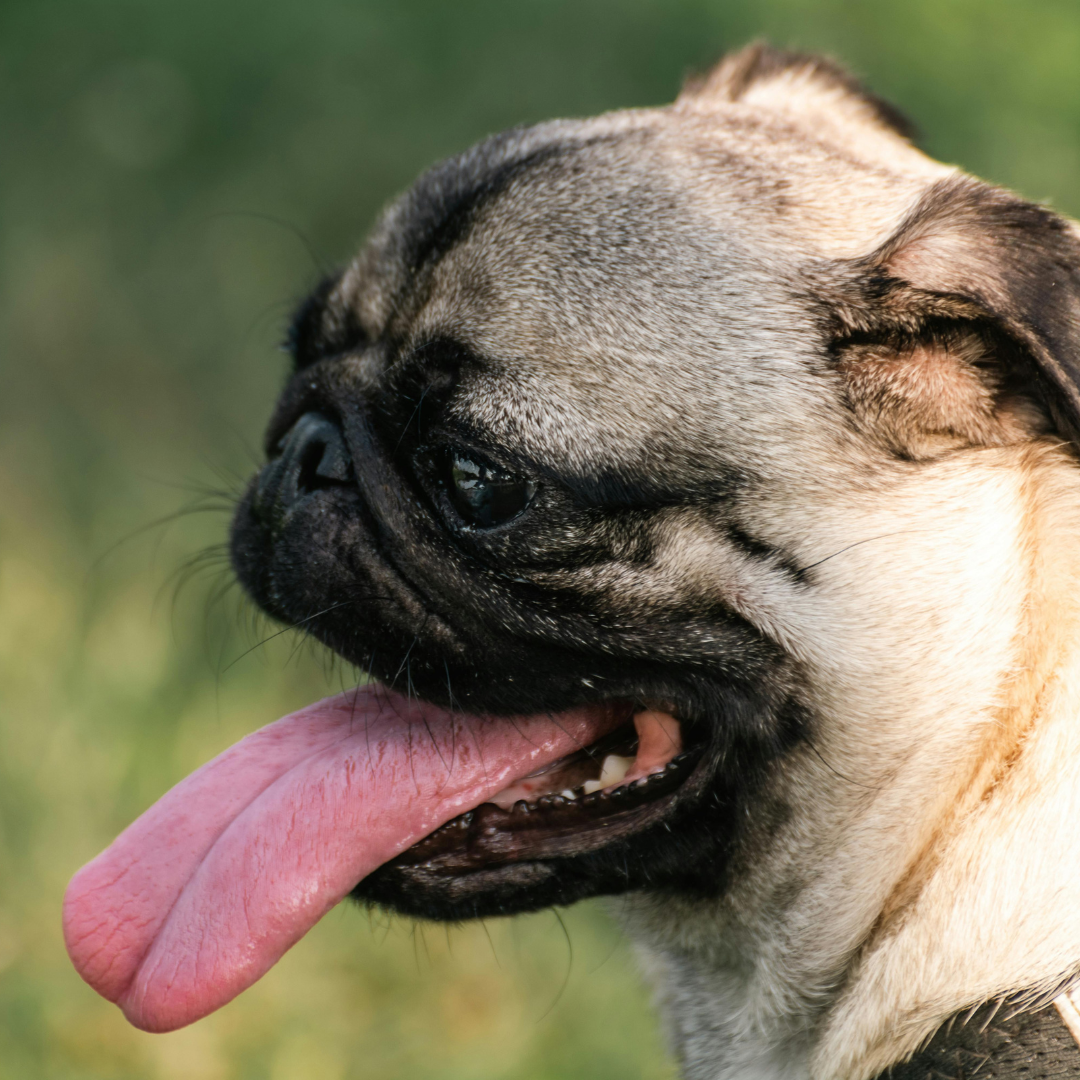
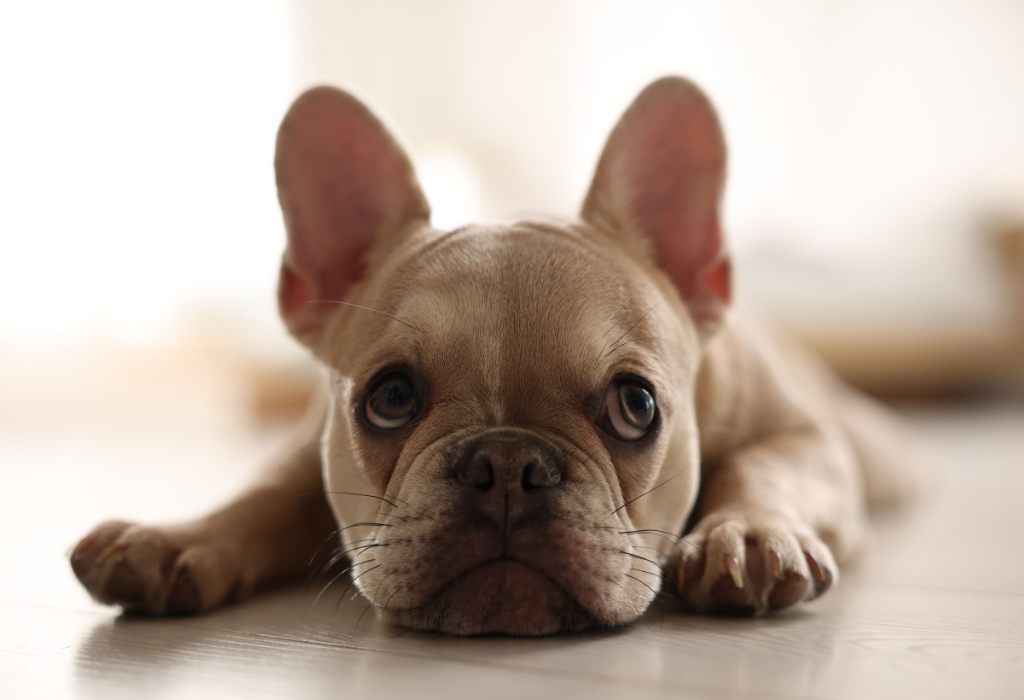
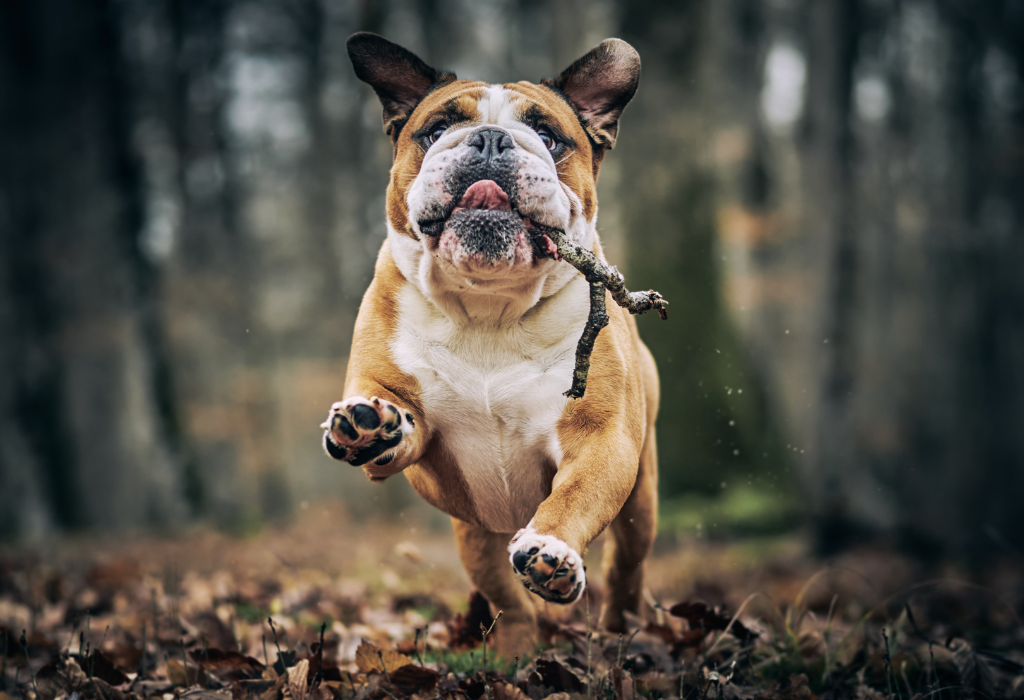
At Boreal Animal Surgery, we offer surgical evaluations and treatments for Brachycephalic Obstructive Airway Syndrome (BOAS) in breeds like French Bulldogs, English Bulldogs, Pugs, Boston Terriers, and other flat-faced dogs or cats.
 
We want to help your pet breathe better, feel more comfortable, and live a healthier, more active life.
brachycephalic airway surgery what to expect(1)

What Is Brachycephalic Obstructive Airway Syndrome?

Brachycephalic Obstructive Airway Syndrome (BOAS) is a set of physical problems that make it harder for flat-faced dogs and cats to breathe. These breeds have shorter skulls and tighter airways, so there is less space for normal breathing.
 
Some common airway problems seen in pets with BOAS are:
 
  • An elongated soft palate
  • Narrow nostrils (stenotic nares)
  • Change to the bone structure within the nose/skull
  • Everted laryngeal saccules
  • Enlarged tonsils
  • Changes affecting the cartilage structures of the larynx
 
These problems can affect airflow, so animals with BOAS may have trouble breathing easily. Symptoms usually get worse during exercise, excitement, hot weather, or stress, when pets need more oxygen. During periods of anxiety or warm/hot weather pets need to increase their breathing rate/effort to cool down. Pets with BOAS can have difficulty during these periods.
IMG_1670

Why Choose Boreal Animal Surgery

Compassionate Surgical Care Backed by Experience

Board-Certified Surgical Expertise

Brachycephalic airway surgery requires a thorough understanding of upper airway anatomy and the unique challenges faced by flat-faced breeds. Dr. Duane Robinson is a board-certified veterinary surgeon with advanced training and experience performing soft tissue procedures designed to improve airway function and patient comfort.

Advanced Surgical Techniques

Every pet experiences BOAS differently. Our team carefully evaluates the structures contributing to airway obstruction and develops a surgical plan based on your pet's specific needs. Depending on the findings, treatment may include correction of stenotic nares, soft palate resection, and other procedures designed to improve airflow.

Personalized Treatment Plan

No two patients are exactly alike. We review your pet's medical history, clinical signs, lifestyle, and diagnostic findings to determine the most appropriate treatment approach. Our goal is to improve breathing, comfort, and quality of life while helping owners understand the benefits and expectations of surgery.

Recovery & Communication

Successful outcomes depend on both surgery and post-operative care. We provide detailed recovery instructions, ongoing support, and clear communication throughout the process. Our team works closely with pet owners and referring veterinarians to help ensure a safe recovery and long-term improvement in breathing function.
brachycephalic airway surgery our approach

Our Approach

At Boreal Animal Surgery, we know that breathing problems can really impact your pet’s comfort, energy, and happiness. We work to identify the cause of your pet’s airway issues and create a treatment plan to help them breathe better and feel more comfortable in the long term.
 
Here’s what you can expect during our evaluation:
 
  • We start by reviewing your pet’s medical history and any symptoms.
  • We check how your dog or cat breathes and how well their airway is working.
  • To start, we will examine the external features of your pet’s airway (nostrils, head/nose). When indicated, a sedated exam may be recommended to examine the soft palate, tonsils, and other parts of their upper airway.
  • We look for any physical problems that might be blocking your pet’s airway.
  • We create a treatment plan that is tailored to your pet’s needs.
  • After surgery, we provide clear instructions and check in regularly to ensure your pet is recovering well.
 
Depending on your pet’s needs, treatment might involve widening their nostrils, shortening their soft palate, or fixing other airway issues that make it hard for them to breathe.
 
Our main goal is to help your pet breathe easier, be more active, and enjoy a healthier, happier life.
brachycephalic airway surgery what to expect

What to Expect During Recovery

Recovery plays a key role in the success of BOAS surgery. After the procedure, your pet will need time to heal. It’s important to watch your pet closely during the first days, since swelling can sometimes affect their airway.
 
Most pets breathe much better once they have healed, but recovery time can vary depending on the animal and the type of surgery. It is also important to note that some signs (loud breathing, snoring) will continue but are usually improved.
 
During recovery, you may need to:
 
  • Manage pain and give any medications your vet prescribes
  • Watch your pet’s breathing closely during the first part of recovery.
  • Limit your dog’s activity while they heal.
  • Feed soft food for a few weeks following surgery.
  • Bring your pet in for follow-up visits so we can check their recovery and breathing.
  • Let your pet slowly return to normal activities as they get better.
 
As your pet recovers, you may notice real improvements in their quality of life. Many pets breathe easier, handle exercise better, sleep more peacefully, and cope with warm weather and daily activities with less trouble.
 
We will be here to guide and support you through your pet’s recovery, helping ensure everything goes smoothly and your dog or cat gets the best possible outcome.

Frequently Asked Questions About brachycephalic obstructive airway surgery

Review some FAQs on brachycephalic obstructive airway surgery to get a better understanding, or contact us to discuss further. If you’d like to learn more about the process as a pet owner, click below.

Surgery for brachycephalic obstructive airway syndrome costs depend on your pet’s size, health, the tests needed, and recovery care. We will provide you with a clear estimate and discuss all recommended care before the surgery. At Boreal Animal Surgery, providing expert care at affordable pricing is our ultimate goal.

The condition is most commonly seen in French Bulldogs, English Bulldogs, Pugs, Boston Terriers, Shih Tzus, and other flat-faced breeds. It can also occur in some breeds of cats.

Common signs include noisy breathing, snoring, excessive panting, exercise intolerance, heat sensitivity, gagging, and difficulty breathing during activity or excitement.

In many cases, yes. Surgery is designed to improve airflow by addressing structures that contribute to airway obstruction.

Treatment may include soft palate resection, widening narrowed nostrils, removal of everted laryngeal saccules, and addressing other airway abnormalities when necessary.

Early intervention may help reduce long-term airway changes and improve overall quality of life before more severe complications develop.

Most pets recover over several weeks, although improvements in breathing are often noticed much sooner.

Request a BOAS Consultation

If your pet has trouble breathing, tires easily, pants a lot, or shows other signs of Brachycephalic Obstructive Airway Syndrome (BOAS), we are ready to help. We will check your dog’s airway, discuss treatment options, and determine whether surgery could make them more comfortable and improve their quality of life.
 
At Boreal Animal Surgery, we offer advanced airway surgery for brachycephalic breeds in Western Washington. From your first visit to your dog’s recovery, you can count on us for expert advice, clear updates, and care tailored to help your dog breathe better and feel more comfortable.