
Compassionate Surgical Care Backed by Experience
Cranial cruciate ligament injuries are among the most common orthopedic conditions affecting dogs. Dr. Duane Robinson is a board-certified veterinary surgeon with extensive experience evaluating and treating CCL injuries, helping dogs regain comfort, stability, and mobility through advanced orthopedic care.
TPLO is one of the most effective surgical treatments available for many dogs with cruciate ligament injuries. At Boreal Animal Surgery, we utilize modern surgical techniques, advanced instrumentation, and high-quality implants to help restore knee stability and support long-term joint function.
Every dog has different needs. We consider your dog's size, age, activity level, lifestyle, overall health, and orthopedic condition before recommending treatment. Our goal is to develop a surgical plan that provides the best opportunity for a successful recovery and long-term mobility.
Recovery plays a critical role in achieving a successful outcome following TPLO surgery. We provide detailed post-operative instructions, activity recommendations, and ongoing support throughout the healing process. Our team works closely with both pet owners and referring veterinarians to help ensure a smooth recovery and the best possible outcome for every patient.
Every dog is unique, so we make sure to talk with you about treatment choices, what to expect during recovery, and long-term goals before we begin. Our main goal is to restore knee stability, improve movement, and help your dog get back to a happy, active life.
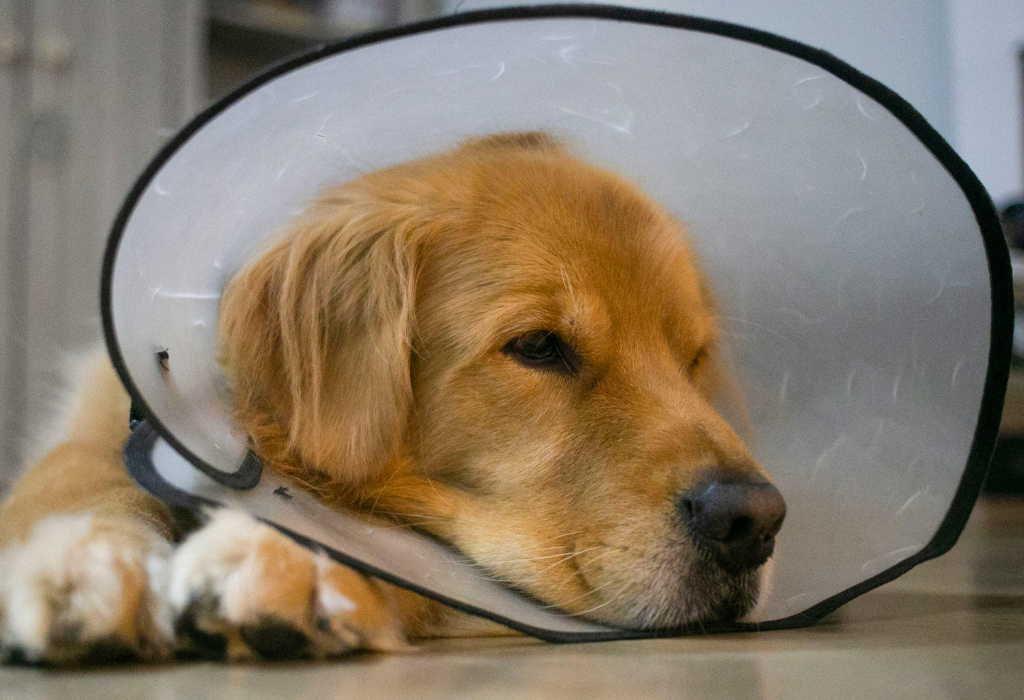
Recovery plays a key role in the success of TPLO surgery. Limiting your dog’s activity and following a clear recovery plan helps protect the repair as the bone heals and the knee becomes stable again. It is important to note that we cannot reverse any arthritis that has developed as a result of a CCL, but the goal is to slow the progression moving forward.
Many dogs start putting weight on their leg just a few weeks after surgery. This is a good sign, but it is still important to stick to the recovery plan and keep following activity restrictions until your dog is fully healed.
Recovery may include:
Most dogs continue to improve in the weeks and months after surgery. With the right recovery and rehab, many dogs return to an active, comfortable life with improved movement and joint health.
TPLO surgery costs depend on your dog’s size, health, the tests needed, and recovery care. We will provide you with a clear estimate and discuss all recommended care before the surgery. At Boreal Animal Surgery, providing expert care at affordable pricing is our ultimate goal.
No, you are welcome to contact us to schedule a consult. We will ask for the information of your primary care veterinarian so we can work collaboratively on your pet’s care.
As with any surgery, there are risks and potential complications that may delay recovery. However, most dogs return to normal activity 12-14 weeks following a TPLO.
Some smaller dogs may still benefit from TPLO surgery depending on their anatomy and activity level. Recommendations are made on a case-by-case basis. During a consultation we will discuss the treatment options and review the pros and cons of each.
While formal physical rehabilitation is not required, it can be beneficial. Following surgery we will provide information on general exercises and steps that can help your pet rebuild strength and mobility.
At Boreal Animal Surgery we use only the highest quality implants for your pet. That’s why we are pleased to work with Arthrex Pet to source our implants. In many cases, the implants we use are that same as what would be used in people.
Boreal Animal Surgery is opening soon! We’re excited to begin providing board-certified small animal surgical care to pets and referring veterinarians throughout Western Washington.
Appointments and referrals are now being accepted for August 17 and beyond.